Tap two adjacent pieces to swap them.
About Jigsaw Tile Puzzle
Jigsaw Tile Puzzle takes the satisfying part of a jigsaw — watching a picture come together — and compresses it into a game you can finish on a coffee break. A photo is cut into square tiles and scrambled. Your job: restore it by swapping tiles, one pair at a time.
The catch that makes it a real puzzle: you can only swap tiles that are directly next to each other (up, down, left, or right — no diagonals). That single rule turns a simple sorting task into a genuine planning challenge, closer to a sliding puzzle than a memory game. A move counter keeps you honest, and two free hints per game briefly reveal each tile's correct position when you're stuck.
How to play
- Pick a board size — from a gentle 2×2 warm-up to a serious 7×7 (49 tiles!) — and hit Scramble & Start.
- Tap one tile, then an adjacent tile to swap the pair. Tapping a non-adjacent tile just moves your selection.
- Keep swapping until the photo is whole. Fewer moves = better solve.
- Stuck? The hint button flashes each tile's number so you can see exactly what goes where.
Solving strategy: work in waves
- Study the scramble before your first move. Identify high-contrast landmarks — an eye, a horizon line, a patch of colour — and work out roughly where each belongs.
- Solve the top row first, then lock it. Because swaps are adjacent-only, a finished region should never be disturbed again. Complete rows top-to-bottom (or columns left-to-right) and treat them as frozen.
- Move tiles in "bucket brigades". To carry a tile across the board, chain swaps along a path — but plan the path so it doesn't pass through solved territory.
- Save the bottom-right corner for last. The final few tiles resolve themselves if the rest of the board is correct; if they don't, two of your remaining tiles need one final rotation of swaps.
On the big boards, the skill ceiling is real: the 49 tiles of a 7×7 board can be scrambled in more ways than there are stars in the observable universe, yet a methodical row-by-row solver can finish in a couple hundred moves. If you enjoy this kind of spatial planning, our Memory Matrix game trains the same visual muscles from a different angle — and our article on the charm of retro browser games explains why these simple mechanics stay fun for decades.
Jigsaw FAQ
Why can't I swap two far-apart tiles?
That's the puzzle! Adjacent-only swaps mean every move matters and long-distance repositioning requires planning a route. Free swapping would reduce the game to simple pattern-matching.
Which difficulty should I start with?
3×3 (the default) teaches the mechanics in a minute or two. 4×4 and 5×5 are the sweet spot for most players; 6×6 and 7×7 are for solvers who want a project.
Do I get a new picture each game?
Yes — each new game picks a photo from the rotation, so consecutive puzzles feel fresh. The picture is always shown assembled for a moment before scrambling, so you know what you're building.
More Retro Games
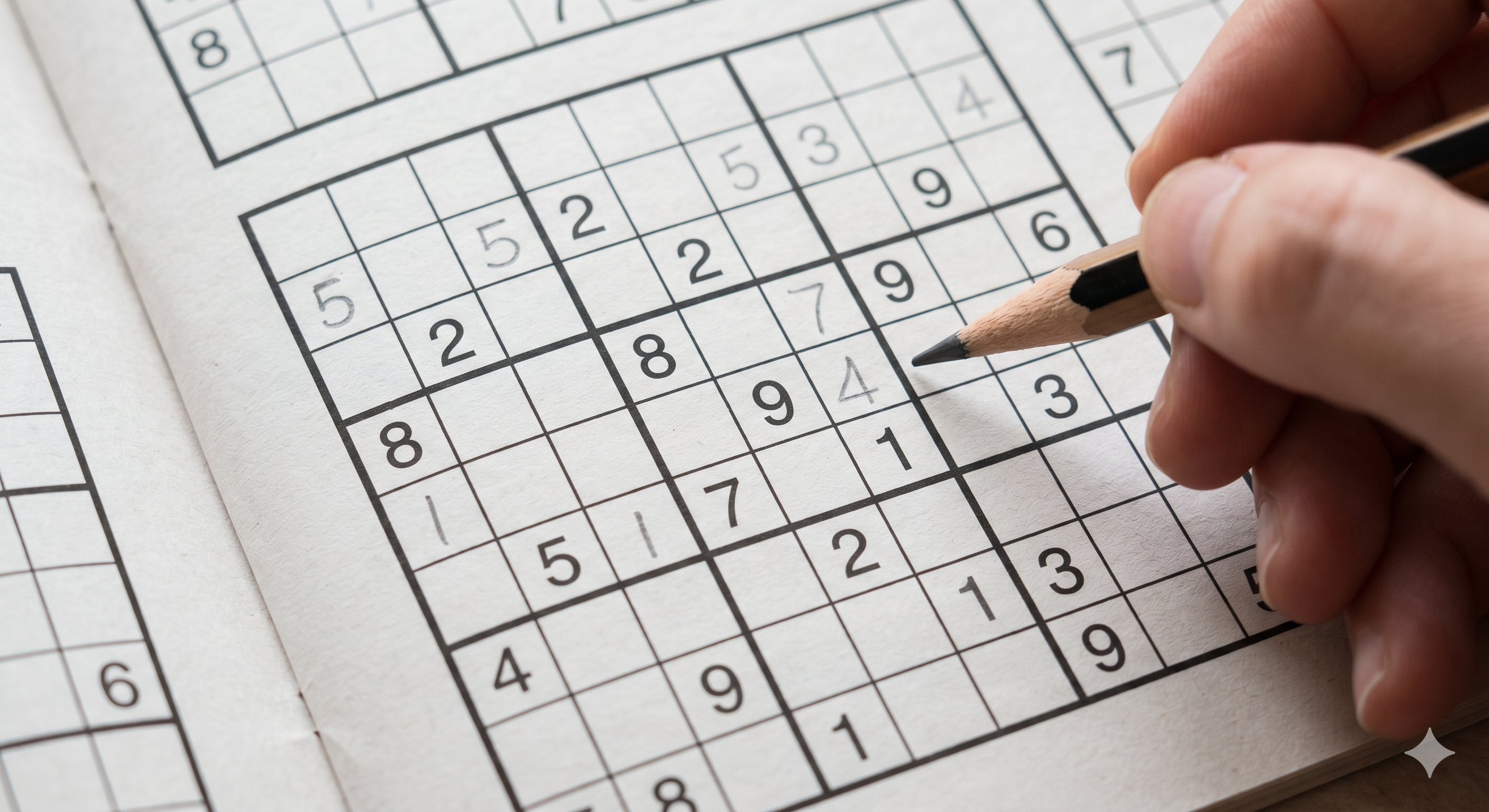
Sudoku
The ultimate math-free logic matrix puzzle. Challenge your mind with traditional placement rounds across dynamic 9x9 retro grids.

Memory Matrix
Train your visual short-term recall. Memorize the highlighted tiles before they vanish and level up as the retro matrix expansions demand faster reflexes.

Tic-Tac-Toe AI
Test your wits against an intelligent machine logic engine. Play the timeless schoolyard classic grid-match updated with adaptive difficulty modes.
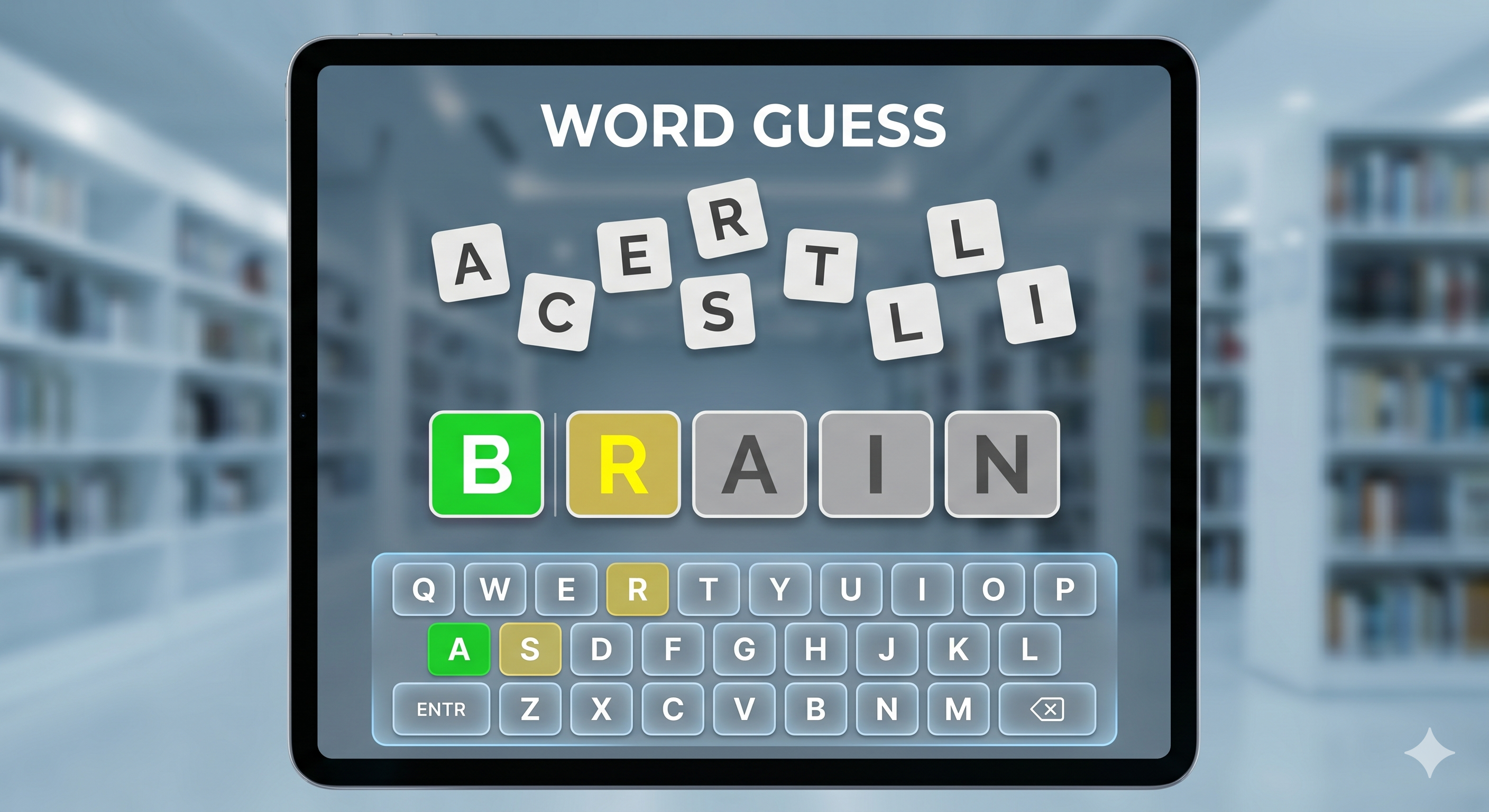
Word Guess
Classic word-deduction logic inspired by vintage terminal puzzles. Uncover the hidden keywords secret before your attempts run out.