Memory Matrix
Press Start to play!
About Memory Matrix
Memory Matrix is a pure test of visual short-term memory — the kind of challenge found in classic brain-training programs, rebuilt by us as a fast, free browser game. A pattern of tiles lights up on the grid for a moment. Memorize it, because a second later the tiles go dark and it's your turn to tap every one of them from memory.
The difficulty ramps up in two ways at once: each level adds one more tile to the pattern, and every second level the grid itself grows — from a cosy 3×3 all the way to a punishing 6×6. Your first level asks you to remember 3 tiles; by level ten you'll be juggling a dozen positions on a much larger board. Your best score is saved on your device, so there's always a number to beat.
How to play
- Press Start Game and watch closely — the highlighted tiles flash only briefly.
- When the board goes dark, tap every tile that was lit. Order doesn't matter, only position.
- Correct tiles earn points; wrong taps cost points and end the level.
- Clear a pattern to advance — one more tile each level, a bigger grid every two levels.
How to remember more tiles
Most people can hold only a handful of arbitrary positions in visual memory at once — that's why the first levels feel easy and level eight suddenly doesn't. The trick used by high scorers isn't raw memory, it's encoding:
- See shapes, not tiles. Don't memorize "top-left, middle, bottom-right" — see the letter L, a diagonal, a triangle. One shape is one memory slot; five scattered tiles are five.
- Group by region. On bigger grids, split the board into quadrants: "two in the top-left corner, three along the bottom edge." Chunking positions into groups dramatically extends what you can hold.
- Tap your confident tiles first. Recall fades fastest for the tiles you were least sure about — get the certain ones down, then reconstruct the rest from the shape you encoded.
- Don't stare at one spot. Let your eyes take in the whole grid at once during the flash. Fixating on individual tiles wastes the display time on positions you'd have remembered anyway.
We cover these techniques in depth — with practice drills — in Mastering Memory Matrix, and the science of what games like this actually train in Cognitive Benefits of Brain Games.
Memory Matrix FAQ
How long does the pattern stay visible?
Roughly one second, scaling up slightly on higher levels since there's more to take in. It's deliberately short — the game trains rapid visual encoding, not slow studying.
Is my high score saved?
Yes — your best score is stored locally in your browser, with no account needed. It stays on your device and resets only if you clear your browser data.
Does playing this actually improve my memory?
You'll reliably get better at the game itself, and the encoding strategies you practise (chunking, shape recognition) are genuinely useful skills. Honest answer on the broader science: transfer to everyday memory is debated among researchers — we discuss the evidence in our brain benefits article.
More Retro Games
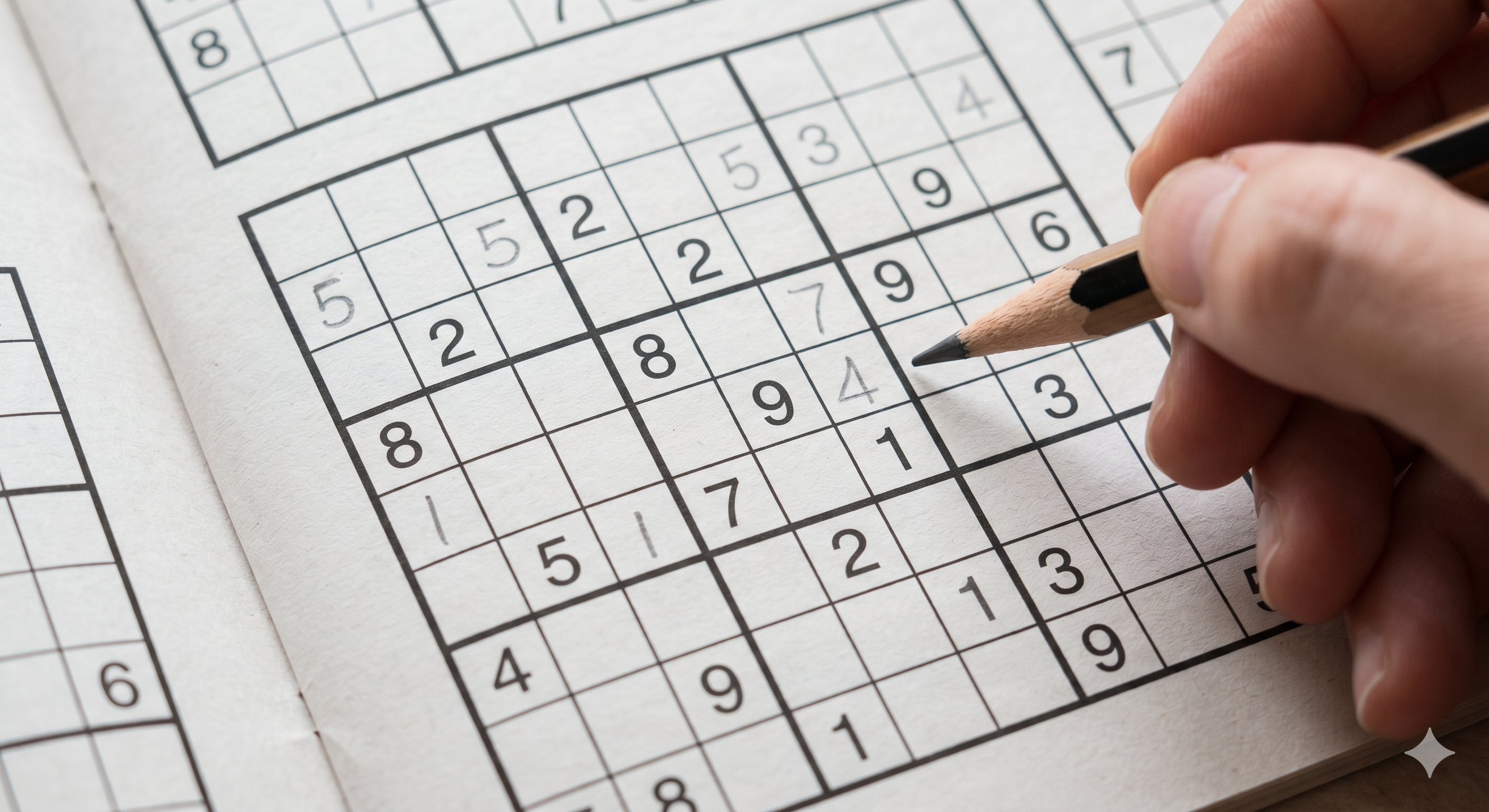
Sudoku
The ultimate math-free logic matrix puzzle. Challenge your mind with traditional placement rounds across dynamic 9x9 retro grids.

Tic-Tac-Toe AI
Test your wits against an intelligent machine logic engine. Play the timeless schoolyard classic grid-match updated with adaptive difficulty modes.
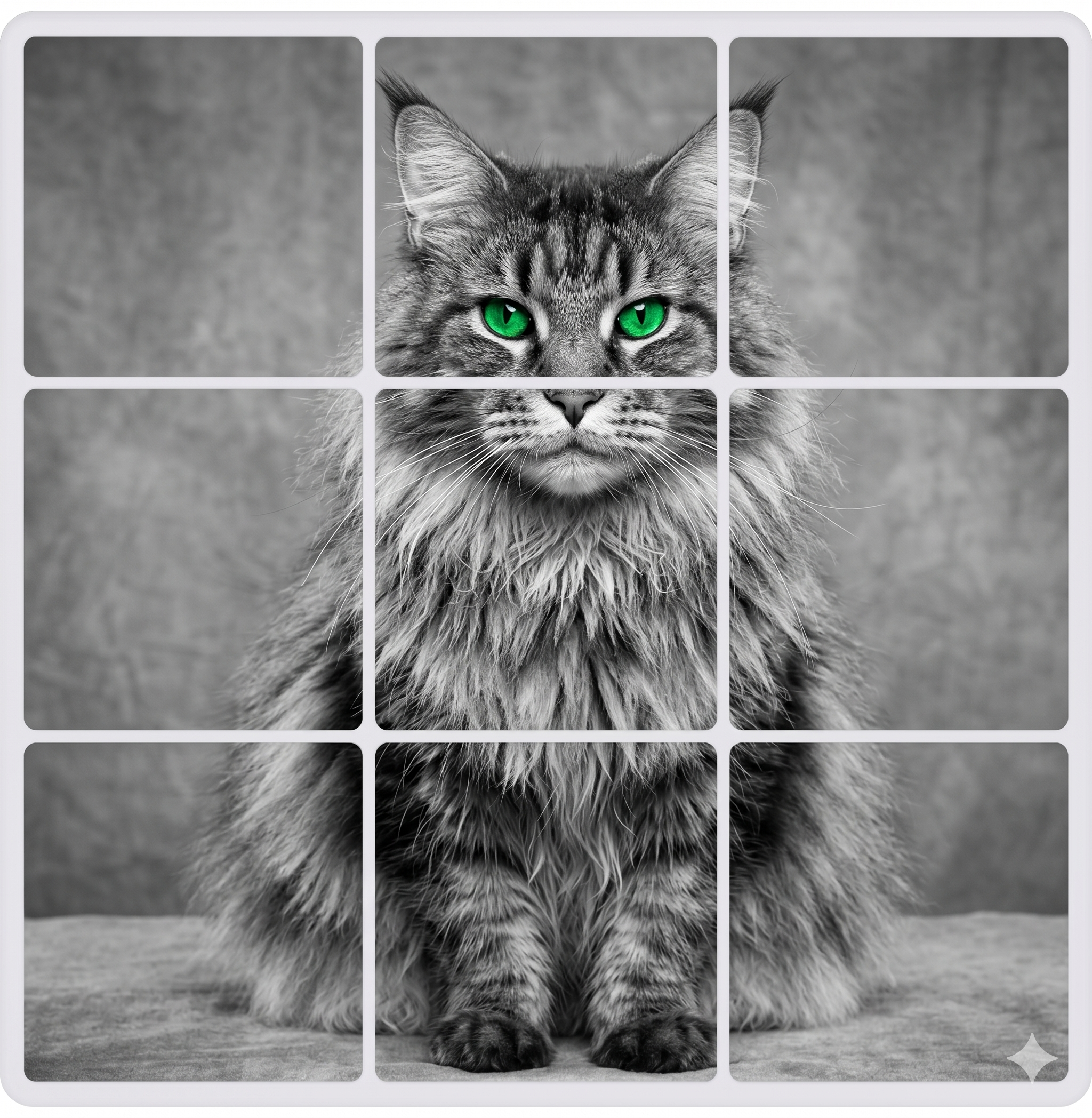
Jigsaw Tile Puzzle
A timeless tabletop classic brought to the digital arcade. Slide, swap, and rotate retro mosaic tiles into place to unlock the hidden image.
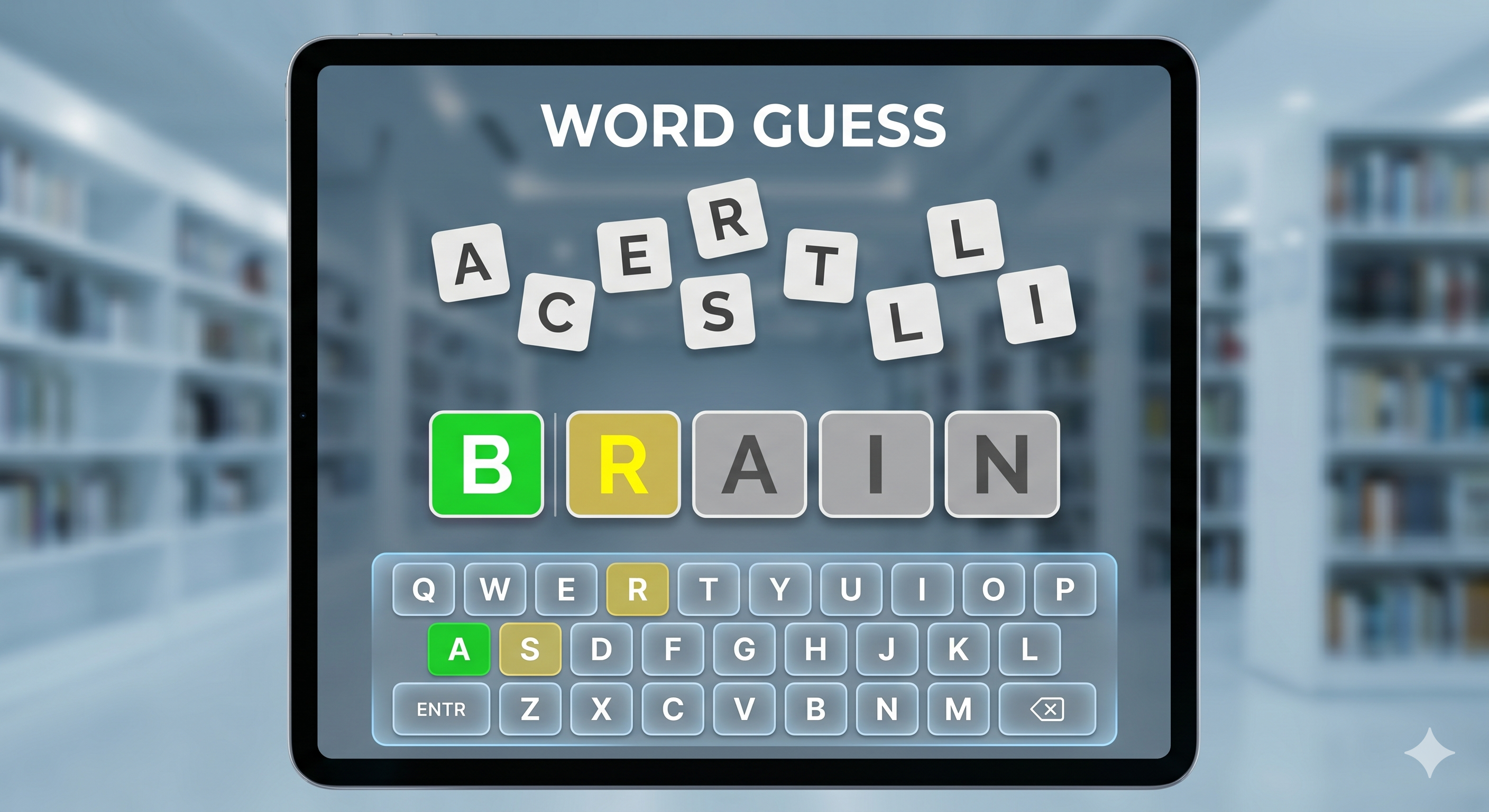
Word Guess
Classic word-deduction logic inspired by vintage terminal puzzles. Uncover the hidden keywords secret before your attempts run out.